Joe Barham
HIFI Labs
Rebuilding the Plumbing of the Music Industry
Joe Barham was sitting on a panel at SF Music Tech alongside Tim Westergren, the founder of Pandora. Tim was describing a future where anyone could listen to any song from anywhere, streamed from the cloud. Joe, meanwhile, was programming a radio station that had just been acquired by Cumulus Media Partners, a massive corporation whose leadership in Atlanta was dictating what San Francisco listeners should hear. “I’m like, man, this feels like a better place for me to spend my time than this terrestrial radio station where we’ve been kind of told what to play,” he recalled.
That moment planted a seed. But Joe did not rush to start a company. Instead, he made a deliberate decision that would shape the next half-decade of his life.
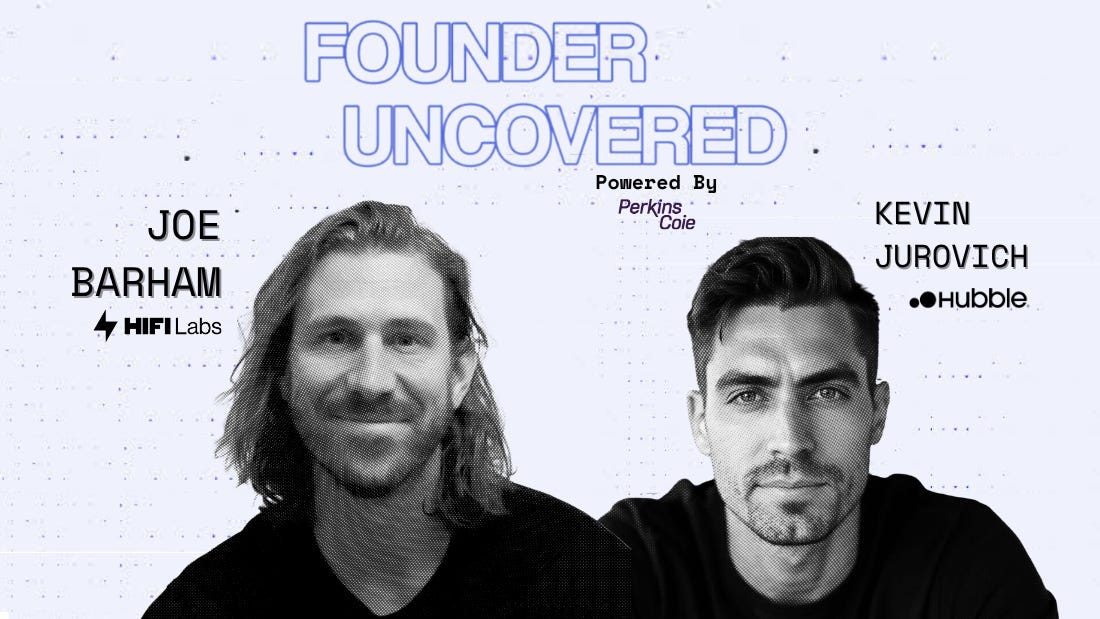
Meet Joe
Joe grew up in Northern California with music as the constant. His earliest memories are of his parents playing Bob Dylan, John Prine, Cat Stevens, and Kingston Trio records in the living room. “There’s a fire going and there’s music and that music is bringing joy to everyone,” he said. “That never left me like my whole life.”
His mom was an art teacher, and Joe noticed early that the arts never got the resources they deserved. It stuck with him. By high school, he had a radio show and was building out playlists. In college at SF State, he studied broadcasting. That led to eight years in the radio industry, where he worked his way up from intern to music director at a major San Francisco station.
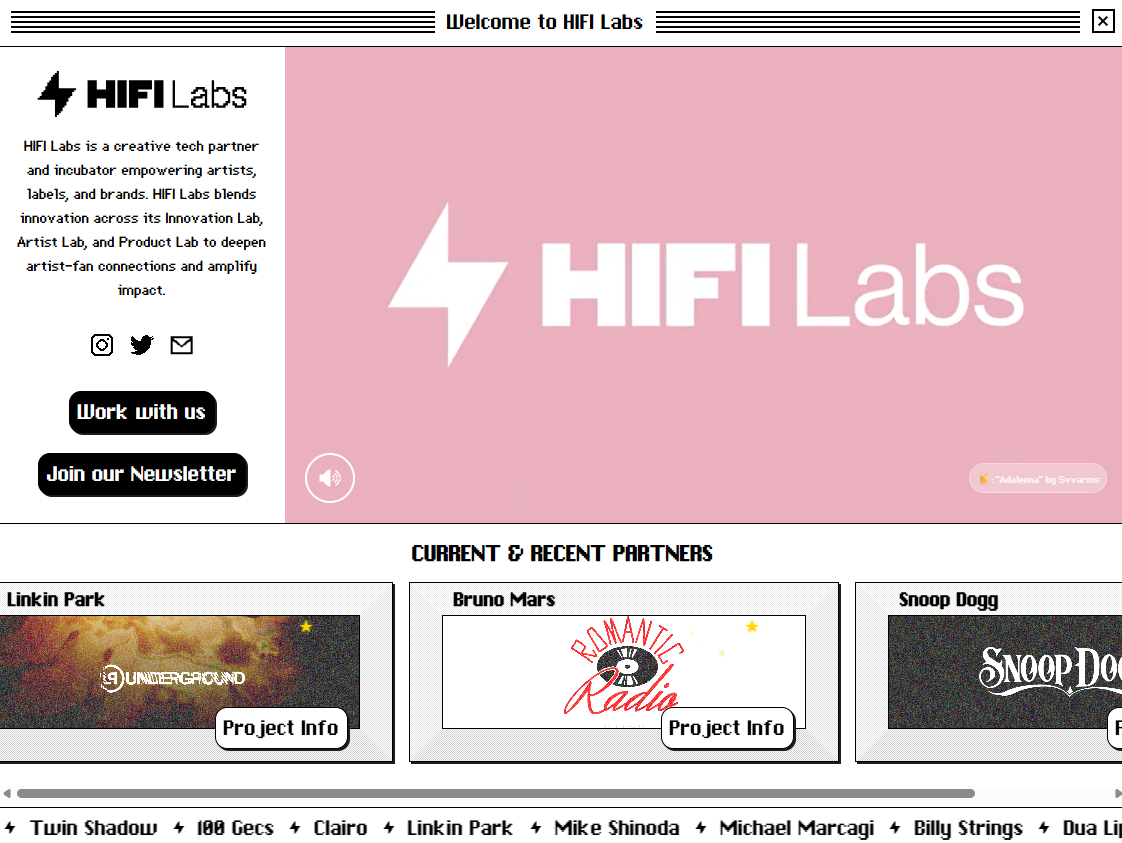
Today, Joe lives just north of Golden Gate Park with his family. He is the co-founder and CEO of HIFI Labs, a music technology company that works with artists ranging from Linkin Park and Bruno Mars to Rufus Du Sol and Snoop Dogg.
Meet HIFI Labs
HIFI Labs is rebuilding the infrastructure that connects artists to their fans. Joe describes it bluntly:
“I think the music industry has built these types of houses and the plumbing is an effing mess and it’s no one’s fault.”
The company operates across three pillars. Activations are the creative side: custom approaches to how artists share new singles, albums, and tours. Optimization focuses on data capture, ensuring artists and their teams actually own and control the data from their fan interactions rather than ceding it entirely to platforms. Monetization builds on those first two pillars to create new revenue pathways.
For Linkin Park, HIFI Labs helped relaunch their fan club, building the infrastructure behind the scenes that makes the fan experience work. For Rufus Du Sol, they supported a North American tour announcement. For Dua Lipa, a livestream in Times Square. Each engagement is high-touch and custom.
“We don’t really care what it is,” Joe said of the mediums they work across. “We want to make sure the artists are optimized in that discovery.”
Know Your Song Before You Start Singing
What makes Joe’s path unusual is how deliberately he prepared. After that SF Music Tech panel, he did not go home and incorporate a company. Instead, he made a plan: spend up to five years working in different parts of the music industry so that when he did start something, he would know the space from every angle.
“Not to reference the vinyl that was playing in my living room growing up, but like Bob Dylan, know your song well before you start singing. I believe in mastership and really understanding the space from all the angles.”
So he kept managing the Stone Foxes, a San Francisco band he had guided for eight years. He started a music tech agency. He worked at Gametime, a ticketing company. He worked at StarMaker, a karaoke app. And then all of that led him to Patreon.
Patreon felt like the dream job at first. Direct artist-to-fan connection, a platform that was genuinely changing how creators earned a living. But six months in, Joe felt the same restlessness. “It was very much a platform,” he said. Artists and managers he spoke with “didn’t really all want to say fans come here on my Patreon and connect. They want it to be more unique.” They wanted personalized digital brands, not a one-size-fits-all page on someone else’s platform.
That realization of what artists actually wanted became the foundation for HIFI Labs. And once Joe started building it, something shifted. “Since starting, I don’t have the itch anymore,” he said.
Morning Brain; Afternoon Crash
Running HIFI Labs with a young son at home forces Joe to be intentional about how he spends his energy. He front-loads his most important decisions into the morning hours when his brain is sharpest. “I know my brain and my body is most on point” before noon, he said. Client calls, infrastructure-level team meetings, anything requiring serious cognitive output gets that window.
After 3 p.m., the energy shifts. Living just north of Golden Gate Park gives him the ability to step away. “You can go down into the city, if you will, and you can get into as much as you want to, and then 15 minutes away, you can escape.”
He gets his best ideas in the shower or while walking through the park. “There’s something about the momentum,” he said. It is a simple realization, but one he has learned to build his schedule around rather than fight against.
The Five-Year View
Joe sees a future where the discovery layer of music is transparent and direct. Agentic search is already reshaping how consumers find things.
“Everyone’s been building for SEO, building massive digital marketing plans. But then all of a sudden, you have these bots that are doing search on behalf of people.”
Agentic commerce, where AI assistants buy tickets and discover music on a fan’s behalf, is one of the biggest emerging shifts he sees in entertainment.
Hardware is another frontier. Wearables, glasses, contact lenses: Joe believes the next wave of devices will create entirely new surfaces for music engagement. HIFI Labs is positioning to ensure artists are optimized for discovery regardless of what form that hardware takes.
But through all the technology talk, Joe keeps coming back to the human layer.
“I feel right now, this current moment in time with AI and technology is going to amplify the value of humanity and human connection.”
He pointed to a Cameron Winter piano set at Carnegie Hall as the kind of experience that no amount of pyrotechnics or AI-generated content can replace. The goal is not to eliminate the human element. It is to clear away the broken infrastructure so that the connection between artist and fan is cleaner, more direct, and more honest.
“Can we continue to just be really good at offering that transparency to artists and their fans and help them build those universes that create more of an option for the fan? Let them find the music they love. Let them have the experience.”
This season is supported by Perkins Coie. Perkins Coie is a leading international law firm known for providing high-value, strategic solutions. The Emerging Companies and Venture Capital team counsels startups and the investors who back them, supporting clients from formation to exit. In the past three years, clients have raised more than $23 billion in private markets between the pre-seed and growth stages. Perkins Coie combines tailored counsel with sector experience, so when it’s time to accelerate, whether for the next financing round, a strategic deal, or going public, your team is ready. To learn more, visit perkinscoie.com
More from Uncovered Media





Read the full transcript
0:00 I'm Kevin Jervitch, welcome to Founder & Covered. The show about those brave enough to dream big and bold enough to swim away from the safety of the shore. Here, we dive into the origin moments before the noise, before the spotlight,
0:15 back when it was just a vision, a hunch, and a founder crazy enough to chase it. For all the dreamers listening, this is where your story begins.
0:32 Perkins Cooey is a leading international law firm known for providing high- value strategic solutions, the emerging companies and venture capital team council startups, and the investors who backed them, supporting clients from formation to exit.
0:48 In the past three years, clients have raised more than $23 billion, with a B in private markets between pre-seed and growth stages. Perkins Cooey combines tailored counsel with sector experience, so when it's time to accelerate,
1:03 whether for the next financing round, a strategic deal, or even going public, your team is ready to learn more, visit PerkinsCooey.com, where you staying now, where you live? I'm San Francisco, yeah, so over here, just north of Golden Gate Park, not too
1:20 far from the ocean, so we kind of, in the city, were close enough to nature to kind of get a balance in life. Golden Gate Park, yeah, that's one of my, the Presidio, that whole area, Golden Gate Park. That's a completely different side, San Francisco for anyone that doesn't know.
1:35 I lived in San Francisco for four years, but I was on the other side of the city by the giant stadium, we call it South Beach, Soma, but where you live is kind of more the real San Francisco. I think there's like, SF obviously has its reputation, and it's a very broad
1:56 range of opinions, and I do think a lot of it, but I guess any city that you live in for a while has so much dependency on what neighborhood, what your experience, I've always thought about this when I first started traveling and you go to a well-known international city, where you might just see the touristy neighborhoods, and you'd think of SF,
2:12 South Beach, I think by the way, is totally legit, but you look at like Fisherman's War if in these spots where it doesn't really have the part of the city that any of us really like. I don't think any locals go to Fisherman's War if they're on the regular, unless their parents come into town or their friends.
2:28 But this is my point, right, like if you're 20 and you're backpacking through Europe and you go to Paris or you go to London, you're going to go to like Trafalgar Square, you're going to go to the Eiffel Tower, and that's their Fisherman's War. When we're there at that age, especially, we're not like, oh man, this is, this is kind of, I mean, we may say it's kind of cheesy and touristy, but we're still like,
2:45 oh, this is Paris. When in reality, I think a lot of people visiting SF, that's on the extreme side of the tourist. And then I think there's like the tech side of like South of Market and Fidai, it gets that reputation like this is San Francisco, and I think totally aligned with
3:00 you. I think it's an amount, it's a combination of all those things, and I think the avenues, the outer Richmond, outer sunset, there's a lot of local flavor out here and it feels really nice. What's it like, we all hear about this? For anyone that's not in Silicon Valley, what's it like being a founder in the
3:15 heart of SF? Yeah, that's, it's kind of what you, you can definitely get the full experience , you know, like that, that, I think caricature of the founder, especially now, but this is always whatever the current trend is.
3:30 Now it's AI, you could go to 14 meetups, you know, twice a day and probably have the most absurd like robot checking you in and, you know, it's just like the insane experiences five times a day, two times a day, or it could be pretty similar to, I think,
3:47 other major cities. I honestly feel like that's more my experience. Part of that is being here 23 years. And so, you know, we have a nice little office off the panhandle, I can get downtown for meetings if I need to, but I kind of like being next to some greenery and people will come over
4:02 for a coffee once in a while too. And, you know, we got a six month old kid and a house in the avenues and that feels like a pretty normal life. And then you plug in and in your, you know, like any other founder and grinding beyond belief. But, but yeah, so I, I do love that side of it, right?
4:18 You can, you can go down into the city, if you will, and you can get into as much as you want to. And then 15 minutes away, you can escape and, and I, cause I think that's obviously really important for the balance of it all. Like, if, if you're in, I don't know that I could be as effective right now if
4:36 I was living in like, you know, a place in South Beach or, or Southamark, cause it's like, it doesn't turn off. I think that's the critique of New York a lot of the time, right? You're in finance and you're, you're downtown. You just like don't turn off. So you navigate it. NSF, it gives you the ability, if, if you can figure it out, obviously, to tap
4:53 in and tap out. So yeah, I think it's, I think it's an amazing experience if you can find that balance. And if you can't, I think it can be really difficult and you see a lot of people burning out. This is such a good point. I, like, I think back on when I first moved to San Francisco to start my first
5:10 company, every Wednesday morning, I would actually drive to Golden Gate Park, like super early in the morning and keys are stadium, you know, they had a little track right there. Yeah. And I would do like a little track workout and run and, but then I would just
5:25 get lost for like an hour in Golden Gate Park because Golden Gate Park, for those of never been, there's huge, like, for a city park, you actually completely forget that you're even in the city. And I didn't even realize it at the time, but living where I was living, it was
5:42 just chaos all the time, which that's what I was doing at work, right? Like as an early stage founder, it's chaotic and you're in slack messages and emails and calls and shit's not working for you. And then when you try to go to sleep, it's loud and like that thing, just that
5:59 switch never turned off. I've since moved to Santa Cruz literally for this exact reason of I want to have a little yin to my yang. You know, if my life is chaotic at work and it's a healthy chaotic at this
6:14 point, I want to be able to get away. I want to be able to be by nature. And I think this is so key because like you're saying, like work these days, especially as a founder, is not nine to five. There's no founders that I know that strictly work nine to five.
6:31 I read Bob Iger's book and he says he turns it off, but he gets up super early. I don't know how they're able to do it. How do you juggle like the demands of you running a company? Yeah.
6:46 Being a dad, you know, being kind of at the epicenter, how are you juggling all of those things and just making sure that you're still bringing your best self to work every day? Yeah. I mean, it's the ultimate question. I feel like I was absolutely, even before our wonderful son, like I was
7:03 horrible at it for the first many years of it, right? And I think so much of what I do now that I can speak to, like everything else, right, came from the mistakes made. And what I notice now and I really try to prioritize is knowing myself, knowing
7:20 my body, obviously, you know, everything down to nutrition, stuff I do think has an effect. Right now, for example, I'm not like in a great place there, but I know that if I pay attention to that a little bit more, my brain will work a little bit better. But the things that are most controllable, because even nutrition, people could
7:37 argue, but you know, it's not totally controllable. You might have a grind. We can just, you're doing fast food no matter what, but what I really do try to control that I feel like is most controllable is that the time you allocate to make the most important decisions. And so what that might look like is, you know, really front loading, I know my
7:54 brain and my body is most on point the minute I have coffee in the morning, you know, till like noon. And I can still get things done till three. And then after three, I will still work, but like I'm probably like a fifth grader at that point, you know, like I really am.
8:10 And I usually don't catch myself, but I should I just like record myself because I know in the meetings, I have it like five PM, like half the things I'm saying are probably wrong. Half of them are probably like not even close to where they should be in the thoughtfulness they require. And so yeah, I really try to front load whether it's calls with partners or
8:28 clients or really important, you know, infrastructure based team meetings, like get that spot where your, your brain and your neurons are like just pumping for that block of time. And yeah, like I think a lot of people have argued this point for a long time,
8:45 you know, there are still things you can do where you don't need that level of function, emails, et cetera, et cetera. But I think that's been if there was one thing that has made the biggest difference and the oversimplified way of putting that right is like working smart versus working hard. And it's just like think about knowing yourself more, understanding yourself
9:02 more understanding your strengths and weaknesses, like all the delegation, everything plays into this. And so I think those of us can be perfectionists in this role. And as you go through it, you learn how to like, that's okay. Maybe it's good that I'm a perfectionist for certain parts of like partnership
9:20 conversations or creative activation, some of the important components of what HiFi Labs does , but know and empower and collaborate with the teammates who can, you know, be the right combinations of that when I know that my ideas happening from eight AM to 12, you know, noon
9:36 are going to be way more effective than noon to four, but maybe that can be handed off to someone else. And I think just, you know, echoing that earlier point you had about getting outside, I learned that too. Like, I think everyone said this for a long time, what was the quote like Albert Einstein?
9:51 This is extreme, but they said he used to like, this is probably BS. I bet this is one of those things that just like floated through time and is not true. But I believe it, or I want to believe it, where he would hold a stone in his hand above a bucket of water.
10:06 And when he would fall asleep, he would drop the stone and it would wake him up . And he had his best ideas when it was like half awake in that like, you know, mid mid subconscious. And by the way, that's not what I do at all. But I just think those things you find out about yourself, I do get my best ideas when
10:21 I'm taking a shower or when I'm walking, like, like if I had to do this, you know, maybe someone builds an app or there's a better microphone with sound because I'd be like walking through the park, ideally. And I bet I'd be a better interview just because when I'm moving forward, there 's something about the like momentum, you know what I mean?
10:37 But this will hopefully still be a great interview, don't be wrong. But you know, you find those things that work for you. And then you're like, okay, if I know that I get these great ideas when I'm in the park and I'm walking around and it's sunny outside and I know I get these great ideas in the shower and I know I'm best on calls between eight to 12, we just try to like,
10:52 yeah, I use the word optimize way too much, I think it's so fucking lame, kind of, you know what I mean? Like, tech optimize everything that have strong opinions of like optimization with AI, that's like a beast in its own right, like, I don't think that's the right way for us to evolve as a as humanity is to be optimized.
11:07 I think it's like more experience and moments and sharing things. But for what we know of our bodies and getting things done, that word, I think makes some sense. So there's this old saying in finance, I was a wealth manager. I don't know if you knew this a long time ago, I used to wear a suit every day,
11:22 work at the bank. But one of the like, early, early things you learn is paying yourself first, right? It's like, if you read any finance book, it's like finance 101, pay yourself first. It's the same thing with what you're talking about is like, you got to make
11:37 time. If your best ideas come from being in the shower or going for a walk, yes, you 're going to make time to take a shower, obviously, but like during your day, schedule an hour block, maybe, and it's maybe right at that window when you're kind of like coming down that crash at like one o'clock after lunch where, hey, I'm just going to go for
11:55 a walk. And maybe that idea is not executed on that day. Maybe that's an idea that we bring up with the team tomorrow or the following day. A lot of the stuff you're mentioning, I'm like literally shaking my head if you 're not looking, watching this interview, if you're listening to it, because it's spot
12:12 on so true. After 3 p.m., I don't want to talk to anybody. Not even my friends, I just want to get my own sort of busy work done, but when I wake up in the morning, I want to talk to everybody.
12:27 I want to get things done. I want to have a to-do list. I want to knock out the most important things of that day. And whatever I don't get done, I don't try to just cram it in at 5 p.m., I'm not going to do it well. That gets transferred into the next days to-do list, say, but take me back.
12:45 Joe is a family man's living in San Francisco. What was young Joe like? Were you starting companies at 3 years old? Were you in sports? What were you doing? Yeah, definitely wasn't starting to come. Maybe thinking about it, I remember in middle school, certainly not 3, but I
13:02 don't know if this is a California school thing, but you did a thing where, and I always crack up about this, the school would have the students sell magazines, you know what I mean? This is what's so kind of, I hope it was for non-profit, but I don't think it was. I think it was like a for-profit business. It's like, let's get free work from all these middle school kids.
13:19 And I remember the- I don't remember. Yeah, the things we would get are like, they're called weeples. They were these little like fluffy like stickers, like creatures. So anyway, that's a bit of a tangent, but I definitely dug into stuff like that . So there was some maybe noticeable entrepreneur vibes early on, but yeah, I
13:36 think the earliest flying music, obviously what high-fi labs is really foundationed around is music and technology and music from my earliest memories. I remember my parents playing Dylan Records and John Prine and Kat Stevens and
13:52 a lot of folk music, Kingston Trio in the living room. And I think you remember those earliest memories being the warmest memories, so there's a fire going and there's music and there's like, that music is bringing joy to everyone, it's bringing joy to the room and it's like relaxing and that never left me.
14:09 Like my whole life, honestly, the more I got into different things and studied different subjects through school or, you know, my early jobs were also in radio, which was like in music, but also adjacent to music, some of it was like sports broadcasting and
14:27 all of it kind of kept pointing me back to the only thing that really makes sense to me, basically because it doesn't make sense, it doesn't have to make sense is music and basically art and the idea that I feel like society certainly back then, probably very much still
14:43 now, is based on the definition of math or science and what you can quantify and it was always like music, you can't really quantify, it's so subjective that that makes so much sense because I always would spin out on like, but even math is something we created,
15:01 right? So it makes sense because we say it makes sense, but you know, not to get quirky, but yeah. So music was everything and my mom was an art teacher and you know, she always, it would always be like a part-time gig and that was something that was always in my mind where
15:16 I'm like, we don't have an art teacher at my school and she's the art teacher of another school and why don't like, she teaches this thing, why don't we have this taught where I go to school and also why is she not full time when like the science and math , and by the way, I love science and math something wrong, but it never felt equal and
15:31 so this thing that I was most passionate about always felt like it was a lesser and also maybe naturally and with the ego, like that was the thing I felt most comfortable with, like, I think flow state and when you can like easily get into flow state, it's a good
15:48 representation of the things you're either wired for that you love the most or that drives you the most and momentum and inertia is what keeps us going and my flow state early on, this is obviously getting older like grammar school, elementary school, middle school, even high school was like playing music or listening to music or, you know, you know,
16:06 working on something that maybe is musical or just creating something, I guess, building something I had a radio show and building out a playlist and stuff like that, so I think that has been to this day the biggest driver for like my life and why I'm really, you know,
16:22 it's a grind in this role, but really happy and very feel lucky to be in this role where every day we talk to artists and we're trying to help them, you know, create in a way that connects with their fans more effectively. So yeah, that was a long-winded way of saying little Joe, I think always kind
16:41 of like got bit by that bug really early on and it took a few different forms, but it was always like music was kind of everything and still as I was, we were like beta breakers you probably saw happen this weekend and we were, you know, in years past we might be, we
16:56 never, I never ran it but like wandering along and, you know, doing whatnot and this year we 're out there like eight in the morning with our kid just like, I'm like, wow, this is a different experience. But what I thought was so interesting is that a lot of people didn't have headphones which
17:11 I'm like, that's crazy. You're running like seven miles without any music but whatever, it's each their own. But then when people would walk by with like a boombox or a Bluetooth, immediately it's like, oh, that's a vibe and you're watching the person run, you're looking up at the leaves and the sun is coming and you're like, all right, this is like, I think this is
17:27 living. So that's absolutely the through line that I think hit me really early and never left and kind of anytime I, you know, I worked for a ticketing company which is still music but very more corporate years ago and anytime I swayed away from tapping close to
17:43 the creation, I felt a little bit lost and so, you know, have to be lucky to stay in this and keep hustling and hopefully we'll pull it off on a really high level. But I think the music is like the driver and the art for my whole life. There's always a piece and a confidence when I talk to somebody who I would
18:03 classify as is living their purpose percent and in the few conversations that we've had, like I feel like you're exemplifying that which is easier said than done in life because we have a lot of pressures to make money or be successful or provide for a family or follow
18:21 what our parents want for us, you know, I'm 39 years old. I feel like I finally found my purpose and there's nothing better than waking up every day and literally chasing something that maybe you wouldn't do for free but you would do for less than you're getting paid for and that always translates into the
18:40 product because you care more like teams that genuinely and founders that genuinely care about their space truthfully not just from the business case. You can see it. You can see it in the user experience. You can see it when you talk to them.
18:57 I see that with you which is awesome. We're a little bit about like what high-fied labs is maybe some of the artists you're working with and maybe prior to answering those, what was the moment along that journey when
19:12 you said you know what, I'm doing these other jobs, that's not for me. I have this idea or this vision, maybe you don't even have the company name yet , like what was that moment? There was literally a specific moment that I think is interesting. You know I started in, I kind of touched on this a second year but I had a high
19:30 school radio show and that was outside of just growing up being around music, loving it. That was the first like oh I'm obviously not getting paid for a high school radio show but I can see this is sort of a profession and then I was getting paid, working at a local radio station my sophomore year like running the board feed for the SF Giants
19:45 and Mendesin of this little tiny town and then went to junior college, transferred to SF State and studied broadcasting, all kind of inspired by that and that got me into the radio industry and I was working in radio for like eight years, kind of worked my way up, was
20:01 an intern and just you know had that kind of classic story of just what do you need? Let me help, slowly but surely pick up more things, just walk into offices and be like hey program director, this guy Larry Sharp who's amazing, kind of took me under his wing and learned how to get on the air and learned how to program and was the music
20:18 director after a while but it was still never, it was weird, like before I had that job I saw another music director across the hall and I was like that's my dream, like I want to be the music director of a major market radio station and I got it and it was like one of those moments
20:33 in life where a month in, I was like I was doing a pre-recorded session, I was like don't get me wrong, like I like rolling stones and Led Zeppelin and the bands were playing but I don't know if this is my, it just didn't hit and it was the combination of
20:49 like in life right, it doesn't, I use the term sweet spot a lot which is so cheesy but I feel like sweet spot is everything, you know you hit that whether it's your partner or what not like your friends, the things you do, the things you grow and to love, where's that sweet spot
21:04 and so it wasn't there and then at the same time the combination of that and having this little scratch, this itch, this whisper was always there too and that was more tied to creating things, I felt like what I really enjoyed and also what I was good at was kind of creative ideas and building things, whether that was like doing music or
21:22 working with musicians more actively and more hands-on and so long story short, or long story maybe longer, as the radio position I had a local music show and I kept getting demos and I ended up managing a band called the Stone Fox, this fantastic band, go check
21:38 them out. So I did that for eight years, half of that was while still working in radio, but the same thing kind of happened, like that was definitely something I loved and I enjoyed doing the entire time and to this day I look back and like you know being on
21:53 the road, on the journey, like knowing these guys in the studio writing this music and then seeing them perform it, the Fillmore or something is like goosebumps everywhere, like so fulfilling, I'll never, never forget so many of the moments from that part of my career but there was still a little bit of an itch or something and where that kind of showed itself
22:11 I would say is I was actually on a panel at SF Music Tech, which is this event that Brian Zisk used to do at the Hotel Kabuki typically, it was a really cool event, he might even bring it back I don't know, but so I was on a panel with Tim Westerman from Pandora and I was in radio and I was managing bands and I started managing bands because I
22:29 didn't say this part like I kept playing these really great local bands from these demos and at that time music was only sent to like the local newspaper, the local DJ or someone's friend, there was no internet really, like Myspace, this is pre Myspace, so we'd get these musicians
22:44 and I was like oh man we're gonna break 'em, like we're gonna break 'em on the radio and some of them we got on the radio and they started getting like I knew our listenership was hundreds of thousands of people like oh this is gonna be a big moment and they're gonna be on their way and a lot of 'em started breaking up and so that was the impotence to kind of like let me, what's going on here, like I always just wanted to try
23:02 to figure out what are the issues, I did always I think have that kind of like drive to why is this, why is this not working and so I started managing this band and then I managed the band for a while and then I'm on this panel and similar situation where you know Tim's
23:17 talking about like this like not on demand streaming but this idea where you can be anywhere in the United States and you just like listen to whatever song you want and it's in the cloud and it's like that's, and I'm over here programming a radio station and I'm, I always want to be cautious not to talk too much shit if we can swear on if we can swear and talk
23:35 too much smack and like our radio station and I'm just gonna say it but like was bought out by a massive corporation so when I first started with Susquehanna I was like a family owned company in Pennsylvania got bought out by cumulus media partners, these guys the Dickey brothers and they were
23:50 also the people known for like pulling the Dixie chicks off the radio because they said something bad about President Bush and that like really rubbed me the wrong way and I was like I'm working for these people and then they bought the San Francisco market and even though I was the music director and eventually program director they're still
24:05 telling us what we can play right and and there's just like what's the reason that we even have local radio if someone in Atlanta who doesn't know anything about what the Bay Bridge is what the Golden Gate Bridge is like is telling us why they should listen to music it 's just
24:20 based on global national popularity doesn't make sense so I'm on this panel and I'm feeling all these like you know pain points from my current role and we're we've been basically acquired by a much larger company and it's really deluding the brand of like
24:36 the golden age of radio for those years before but still tailing often and I'm just like man what technology could actually like when used well technology can really unlock this experience of more music
24:51 for more people and a more personalized music experience and a more like at the end of the day for me and I think what we try to do not half my lives is just create moments it's so simple it's like just like music helps it's the soundtrack of our lives make
25:06 sure people who are really great at it and passionate about it and they're creating great music can be heard by the people who want to hear it and at that panel at that moment I'm like man this feels like a better place for me to spend my time than this terrestrial radio station where we've been kind of told what to play and so coming out of that I
25:25 was like you know having some wine with some friends and in the back of my mind the whole time like I feel like there's a lot that could be fixed like Pandora is awesome I don't know if that's the answer this is all pre-spotify too and so basically the moment to finally
25:40 answer your question was I remember in my mind the like a day after that panel I was like I need to spend a little bit of time I really don't know what I'm talking about yet I need to know what I'm talking about I need to like I need to try to work
25:55 and understand as many perspectives of this industry as possible so that then you know like not to reference the vinyl that was playing in my living room growing up but like Bob Dylan know your song well before you start singing I was just like I want to be I believe in like
26:11 master ship and like really understanding the space from all the angles and let me try to do that but I can't do that today so I basically said I want to take maybe up to five years in my mind it was not more than five years it could have been more than five years it ended up not be more than five years but like and I just want to like work in different
26:29 parts of the music industry and the music and technology and I did and I worked at I kept managing the band for a while which was amazing I worked I started like a music tech agency and worked with so much larger companies I worked at game time a ticketing company I worked at a
26:44 mobile app and a karaoke app called Star Maker and then all that led me to Patreon and that was another moment just like the radio station days right where I'm like oh this is the dream job like like this is this is the future where like artists can connect directly to their fans
27:00 and more music can be heard and the soundtrack of our lives can be you know more amplified and really beautiful and and and the people creating that you know back to a lot of my motivation can actually make a living right like the art teachers aren't getting cut or
27:16 being paid half and so yeah I mean this is like hopefully that creates the seg ues here the other part of your question but basically that was that was my dream job I got it and very similar to radio without getting two in the weeds here about six months in
27:35 for various reasons it just wasn't it wasn't right it wasn't it it still wasn't there I thought the five years led to that and typical founder journey right like it didn't it was like all right it's close and it's it's tapping into one part of it and I don't want a badmout hed patreon at all and I actually think what patreon's done for the creator economy
27:53 and Jack and the team is like it's like I don't want to use any word lightly here but like like so evolutionary like just so powerful so important will always be really important and it's still incredibly relevant but one of the components that I struggled with there was
28:08 that it was very much a platform and and especially now we can get into this later around the interview but like I think the future is going into a much more custom personalized way and I felt that back then and I felt like the artist I was talking to the managers I knew when I was talking to they didn't really all want to say fans come here on my patreon and connect
28:28 they want it to be more unique you know maybe it's not always connecting online it's connecting other places but there's connective tissue that can create this like personalized digital brand and so we've calibrated that like I've calibrated with the team and our amazing team and Pierre and
28:44 Mike and whatnot that mission to what HiFi is now but that was sort of while still at patreon similar to being a radio it's like it's not quite there and there's still this like scratch that I 'm feeling at least once a day more likely subconsciously like 50 times a day and my wife would
29:00 probably tell you though I don't know all the things I said in my sleep but like it was you know oftentimes like dude like god to take take some more magnesium before I get a bed or something but yeah it was always there and then it's funny and this kind of speaks to what you were talking about earlier but
29:15 like since starting HiFi it's such an eff I hate founders are talking about grind but like it is it's an absolute grind but there's something about it that's like but this does like I don't have the itch anymore right and like in life it's nice to not itch like it's nice to
29:32 not it's nice to be able to scratch an itch and have that be gone and granted there's all sorts of other pain that isn't an itch but there's something about an itch I think if you have you know something you really feel passionate about or a vision or whatnot that that yeah like I would say it
29:51 's worth maybe and this isn't the case always and like you have to be really I think lucky it 's it's not necessarily even a skill thing lucky to have the opportunity to do what we do but to be able to scratch an itch is like a real gift and I feel like I'm able to do that at HiFi
30:06 and it's been really hard but yeah like trading off other painful things to do that and feeling like we really are working towards something that is solving that problem that I think I felt since I was like five years old I mean I don't know if you were intentionally doing this but like
30:21 what an intentional journey like to decide me I'm different than you like with that moment that I would have thought years ago when I was sitting in radio like oh I'm on that panel I would have just tried to go start something and probably would have failed for like seven years for sure and piv
30:37 oted millions of times kudos for you for just saying hey I want to be an expert I want to learn all different areas of the music industry even though you had already been in the music industry it sounded like for like a decade is that right yeah but to that point right like that's I think
30:53 that's the other weird spin of this thing is that I don't know that that's the right way you know what I mean like I you could argue I could have learned way more and frankly I could have maybe learned it in a year instead of five years or four years which is what it was if I just like started my own thing and I think that's a really good point like I don't think I think that worked in some
31:10 ways for me and did it like helped me gain the perspective so that when we started hi-fi more than anything I could speak the language of the different stakeholders and really understand the experience and I think that is incredibly important but I also think the one thing I love about like
31:27 starting a company is I've never learned more in a job than like because because you kind of see everything, you know, for the most part, maybe. No matter how well your domain expertise is in a field or if you're a complete
31:47 generalist and you have no idea about it, which tons of successful companies have been launched this way. You know, Brian Chesky, Airbnb, he wasn't in hospitality. Travis Kal anek wasn't in transportation when he launched Uber. There's like thousands of these stories. But no matter what, whether you're on the left side or the right side there,
32:06 there's no actual playbook in starting a company. Every company is like a unique set of experiments. And you're trying to prove that, hey, this can be a viable business. There's so many elements that are new. It's almost like chess like after the after the 20th move in a game of chess, that game of
32:25 chess, where all the pieces are has never been met in millions and millions and millions of games, not just that you've played that anyone's played. Totally. There's so much alike and aligned this way. So yeah, there's really no, whether you want to learn for 10 years about something or you're just like,
32:40 yo, I'm just going to start this tomorrow. Yeah, you're going to learn a ton. There's no playbook for it. Eventually, I think the key is you have to go. You have to leave the safety of the shore. You got to start swimming. And maybe the most important thing that I would say
32:55 is you can't look back, right? So even when it gets grimy and cloudy and cold and you don't know where you're going, you've got to just keep swimming, right? Yeah, definitely. And you could not agree more. And I think that's would be the moral of that is like either if you if you're
33:10 like, I think people do get stuck in the analysis paralysis, right, where they'll sit there and they might ask that question, like, should I should I take a job and try some things or should I just start this thing? And then they end up not really doing either and something falls. And I think that's the key is like, I do think momentum is everything and not looking back. And there's always, man
33:27 , this was like, probably like a meme years ago, but there's the cheesy one of the guys, like, he's like mining underground, you know what I mean? I love that. And there's one of them, like, turning around, like right before he gets it. And I think that's to do is one more hit with
33:43 this. Yeah, man. Never know when it's going to happen. And that's the thing. And I felt like I saw this starting managing bands really early on, because you can obviously everything, no matter what you do, you can see this, but like, it is super rare, right? Like to be successful period is pretty rare,
33:58 like to get a job, especially now is like, it is, it's not like guaranteed in like a field you want to do, especially. But the minute you spend two days doing it versus one day, you've literally like doubled your probability of pulling it off. Like even if it's like looking for jobs for days, and the more extreme is like as a musician, right, which I think we were
34:14 most like ingrained in back in the day, it was if you just keep putting out music and keep going, not only are you gonna, you're increasing your chances every step forward you take, you're also learning and you don't even the combination of those things is everything. I mean, that's like, I think literally how we
34:29 create experience. And so that's what gets really exciting. And again, there's no guarantees, and there is so much failure, and there is so much failure to an actual end. Like people do pivot and stop and that's totally fine. And we're lucky enough to be going
34:44 right now. And I'm really excited for the future of both our companies. And like what you guys are building is amazing. I'm super proud of what HiFi is. But what it seems is so consistent is just like, the longer you go, the better your chances going to be, as long as you know, you're creating
34:59 systems and I don't know, like the mind map that that a team, a leadership team will have and the learnings of like taking into account those failures, you just sometimes the way you learn how to do that, I feel like you can get exponentially stronger. And like, oh, I
35:16 understand how to look at fear, and then look at failure, and then, you know, try to use it for for a strength in the future. And there's, I mean, this was, you've seen that sign Simon Sinak one,
35:31 he can be kind of hit or miss these smart, but he, uh, he was talking about the top five tennis players. Have you seen this? There's like a clip he has where he talks about they did a big analysis. And I don't know who they were is in this I'm forgetting, but I feel like it was a university.
35:46 And they studied like the skill sets of the top tennis players in the world and the difference between the top five, which in tennis is a great example. It's a single person of sport for the most part. And you have like the, the champions stay champions for the most part, like the big four recent years, right?
36:01 And so the, the point he was making was that the difference is that the ones at the top, the joke of which the, like, you know, the fetter, they are really good at just forgetting about the last point that they lost and moving forward. And I totally believe that. But
36:17 the core of that point of effing love where it's just like be like, like, like any sport you play or any like meeting you get on and the ability to like learn from it, but also like not let it not over analyze it. Um, and that doesn't mean to not like take it in internalize it, even if you
36:34 need to and work through it and the shitty hands were all dealt. It doesn't mean to downplay that at all, but it's like, can you, can you find a way to process that in a way that doesn't let you forget about the reason you're here doing this because you love it so much. And it means so much
36:51 to you and that that can not always stay as something that overpowers the incredibly understandable human experience of like feeling like crap sometimes and being really affected badly. I love Sam and cynic because he is also a self proclaimed optimist. Yeah. And
37:07 everything that he writes, I try like whenever I write my goals, like for the week, for the year, the last goal that I always write is to be the most optimistic person that I know, because I really try to carry that because as a leader or a founder, things go wrong all the time. And it's not
37:24 even that they're supposed to go right all the time. A lot of things are actually not supposed to work or go wrong or feature flops. Like this is just a reality. And it's really your mindset that the team is going to adopt. And if you're looking at all of these issues or failures as those as
37:41 failures or actual issues or problems, rather than, Hey, okay, we learned this. What are we going to do about it? How are we going to make it better? Right. So true. So that's great. What are you most excited? So you've been in the music industry so long. What you're working on is
37:56 fascinating. You're passionate about it. What are you most excited about what HiFi Labs is bringing the market is doing for artists? Can you speak on that a little bit? I'm interested to know. I know it too. Yeah
38:11 , absolutely. So what I'm most excited about what we're building towards right now and what we 're actively doing with a handful of clients is we're kind of like, this is, this is almost watering it down, but I think it's the best way to describe it initially. We're like rebuilding the plumbing of the music
38:26 industry in a way that's not like anti label necessarily, but it is very, very pro artist. And I think and very pro artist over platform, and it's not anti platform even in the sense of, you know, like, there's a current need for, I feel like every part of music entertainment
38:45 . So, you know, whether it's TikTok, whether it's Instagram, whether it's YouTube and the discoverability, the DSPs, Spotify, et cetera, those are places that human beings enjoy listening to music. That's their most comfortable in those places and music. And I think an artist has
39:01 every right to be super annoyed by like, I have to play this game, but it doesn't change the fact that that's where things are found if you oversimplify it. Like, it's 15 second vertical content, and it 's the most popular place to find things. But at the same time, I do feel high five, we feel there
39:17 's a better way than just having an artist be like, all right, this is what everyone does. This is where people find music and discover music. So you have to do this too. And honestly, now more than ever, we're incredibly excited and what we're seeing firsthand with certain clients
39:32 at the ability for the artist and their teams to take some extra time in the same way anyone would start a business and think about what are the things I actually do love? Like, what are the things that give me oxygen in addition to writing recording music and playing it live for music? And is there a way
39:48 that that can translate into the pathways of how things are discovered in this medium? And so, we kind of what I'm most excited about to ask your questions, like, we're kind of able with a lot of our clients to calibrate how they think about expressing themselves. And
40:03 then others who are massive artists, we don't tell us like they got it figured out, you know what I mean? Like, I'm not telling some of our big clients who are selling out stadiums to do anything differently, but even they are dealing at times with the plumbing that is out of date. And
40:18 so, those are the two things that I'm really proud of us doing that. I think when you combine them, because when we take a step back for what High Fight does, we think of ourselves as a fly, we do activations, which are like the creative approaches to how you can express your art. We do optimization, which is like the plumbing of usually tied to data capture and making sure that
40:36 like not maybe just the label of the promoter, but the label promoter and the artist actually can have control over the data they're capturing, because that's what the fans are kind of looking at and probably sharing it with. And then we can do monetization. So, if those two other things are figured out, typically certainly the optimization piece, there are new ways in which as the
40:54 future progresses, artists can transact with their fans, whether that's different ways to sell things and make money, or different ways to stay connected and inspire them. We feel all of that is at a place that could be so much stronger, and that's what High Fight is doing actively. And so, for
41:11 a lot of artists, with our creative team, come up with a different way to think about how to share their new single, their new album, talk about their new tour. It is all really high touch, it is really custom. But then, as we're doing that, we'll make sure that all the success that comes
41:27 from like a dual leap of live stream in Times Square, a Rufus to Seoul, North American tour announced, like there is a health that is very artist-first, that still gives the label everything it needs, that still supports what the promoters are trying to do, and kind of honors the
41:44 fans too. Like, we're trying to get to a place, and we're there in some modules tools we've built, but not in all. We're also the fans have the right to say, like, I want this person to have my data, and maybe not this person. So, like, everything about that infrastructure and my experience,
41:59 and I do think I'm versed in it. I don't think I'm the world's foremost expert in it, but we also work with people who are, like, we work with legal people and data scientists who know more about certain things than the High Fight team does. And from that, we really are trying to approach it like we don't just want to build too fast, which is kind of sometimes
42:15 against the, you know, startup ethos. And frankly, we've been around, as you know, I think Kevin, like , six years, and I won't say that's fully intentional. Don't get me wrong, but I am really proud that, like, any startup, there's so many times along that journey, we could have probably
42:30 compromised that mission. And frankly, like, some of our investors probably wanted us to, and others, and this is, like, credit to, I think, a lot of our supporters, frankly, is that they've trusted the process, and they've trusted, like, okay, we understand that the
42:45 mission's really important to this founding team, and that we trust that if this is fixed, it will be a much healthier future for everyone, and, you know, financially stable for our business, but also a much better universe for music, exploration, discovery, engagement
43:03 for fans and artists, and all the other middle people. Again, we're not like anti-in these players. So, so yeah, that's a little vague, maybe, but kind of trying to be somewhat specific in that, if I had to oversimplify it one more time, it's like, I think the music industry has built these
43:18 types of houses, and the plumbing is an F and MESS, and it's no one's fault. Like, I don't think, yes, there may be some manipulative or malicious actors at certain larger companies. Don't get me wrong, I can't fully speak to that. I wouldn't even actually want to say that
43:33 unless I knew them personally, and I don't, but, like, from outside looking in, from some, you know, even recent court documents, there's some weird stuff, for sure. That's always a part of stuff, and I don't think that's good, but it's also just because, as things evolve, and you know this in tech,
43:48 there's tech debt everywhere, and there's debt everywhere, and things like just get, you know, you have someone new at a business, and they're in charge of one thing, and they, you know, typically a version of a band-aid is more common than a version of rebuilding if it's the code, or the data plumbing, or whatever it is, and now it's really hard to do that,
44:08 but that is what we're trying to do, and it's what we're doing kind of, I don't want to say slowly, but surely, I think it's a decent pace, but I do think we're doing it effectively with a lot of well-known artists and a lot of, and some emerging artists, and we're just kind of like that house that typically you go into, and you may not know that, you know, the pipes are like,
44:26 you know, the old pipes, and you may just be like, I'm still getting water out of these things, so like, this is fine, but that water's funky water, and so we're like, let's fix it, make sure maybe you own that water, you can control the water, this is a horrible analogy, by the way.
44:41 You're being humble, I love it. I want to shed some light on who are some of these like, well-known artists that you guys work with? So like, we do, like I mentioned that Flywheel , so we do different things with different clients, so like Linkin Park is a large partner of us who are very lucky to work alongside, and we help them relaunch their fan club, and so a lot
44:59 of the things I'm speaking to exist behind the scenes of what that is able to do. On the fan side , it is a really awesome fan club, and to their credit, they've had that 20 years, and I'll always say, especially with that client, well, frankly, all of our clients, they deserve all the
45:14 credit, and we should, we need to be humble, because like, we're helping them fix the plumbing, they 're building the house, they're the ones who people want to go into the house, you know what I mean? Like, we're not getting people in the house, we're getting people to help see where the house is, and look for the house, and that's cool, but yeah, Linkin Park is one of the greatest artists of
45:29 the 2000s. Hey man, I'm not going to argue that, I'm not going to argue that, yeah, they 're phenomenal, and like, huge credit, like, the journey they took, and I mean, I was a massive Chester fan, and everyone went through so much in that, and it's a massive loss, and then
45:45 the band to kind of go back to the origin, like from zero, was speaking to sort of like iterations of the band in the very earliest days, and Emily coming over from band Dead Sarah, and they've really like, I think built a new chapter in a powerful way. But yeah, like Bruno Mars we work with,
46:01 Rufus de Sol we work with, Snoop Dogg, Death Row Records, and then we're doing more and more work, like there's artists we work with that we are under NDA, we can't describe, there's also more emerging artists we're trying to work with. It's been an interesting journey in that in the early days we were doing more with emerging artists, and it was hard, I think for us to maybe, maybe our
46:20 value to be seen, which I totally understand, because as an emerging artist, you're just trying to find fans, rightfully so, like that's your oxygen, but we'd be like, but when you're finding fans, you know, make sure there's like a cleanliness to the data and the connection, and it's
46:38 sometimes way easier for us to work with like stadium acts than it is for artists playing a 500 cap room, but one of our initiatives now is really, I think it is really important what we're building and trying to fix, doesn't just fix it from the top down, because that's not the
46:55 life experience and the entertainment and music experience, it happens on all sides, it's the mids here, it's the top down, it's the bottom up, and so, yeah, we have different types of engagements for the different sized artists we work with, but we really are trying to work with artists of
47:11 all size, and that's an example of some of the clients we've had. What does the music industry sort of look like in maybe five years, when high fights already growing, and now you said you've been around six years and you're being humble, you guys have done a tremendous job in that
47:26 amount of time, let's say in five more years we extrapolate this, you guys are one of the big players in the space, what has changed in the music industry, and what does it look like? Yeah, I think it's super transparent in the sense of like, transparent and easy
47:44 , and so, it's really hard for me to speak to, I don't think like Spotify, I don't think a lot of the players are different on the digital service provider, or the YouTube's of the world and whatnot, where music is discovered, I do think there might be different versions, right?
48:01 There's got to be a new version of TikTok, TikTok might still be massive, don't get me wrong, but there's got to be like different versions, I do think we could go on a complete tangent and talk hardware tech and wearables, I mean, I think we're about to hit an absolutely like second industrial revolution with hardware, and this is where we can nerd out pretty hard, but I don't know
48:19 if that means what type of wearables, if it's glasses, if it's contact lenses, if it's watches, we have kind of versions of all those things now, but what we get excited about because we're alongside these artists is the second those things hit engagement, we just want to make sure we
48:34 don't really care what it is, I'm intrigued at what it is, but we want to make sure the artists are optimized in that discovery. A really good example of that right now that's very actively happening is like a gentic search results, everyone's been building for SEO, building massive digital marketing plans,
48:49 and rightfully so, targeting pools, retargeting, targeting pixels, everything, but then all of a sudden you have these bots that are doing search on behalf of people, they're not yet actively buying that much, but a gentic commerce is like one of the biggest topics of everything I've seen in
49:04 like entertainment, consumerism, and so how do we make sure the artists, labels are happy, artists are happy, everyone's happy, and they're being found, like how do we make sure the artist is the source of truth, and so now I think one of the most important things we 're doing
49:19 is paying attention to like okay what is the discovery plumbing of the future in the next five years, and that's going to be, there's going to be an answer to that on the hardware side that is probably not yet defined, but the current version of it is I think things as
49:37 an assistant, some form of hardware software that's like you know Kevin's Joe's assistant who are doing things, some people are going to tune those assistants to say like hey do you approve of this ticket purchase roof is to sell, others are just going to be like I want you to buy this ticket if you get to the top of the queue, queues might not even exist, like I think there's so
49:55 much like infrastructure that's toast, but we feel the most important thing is that the artists have the right to be the source of truth, like Taylor is you know right now in a lot of news rightfully so around like kind of like copywriting her likeness, and I think that's going to be a really
50:11 important thing for all artists, and yeah I don't know how it's going to play out with the core learning models and AI companies where they have already trained on so much artists, my dream our wish at Hi-Fi would be
50:26 that there's a version of that that's okay but all the artists get credited and there's a revenue stream if they A) opt in to letting their music be reused and B) you know support that, but yeah so long so I think it's going to be I should say this I hope it's going to be a
50:42 really transparent and direct to kind of fan with the players of the ecosystem as a participant, labels promoters whatever and it's you know less unnecessary fees and stuff like that ideally and just like an
50:57 amazing back to the core experience. Another thing that I think is really interesting that I do see you're seeing this in like the commencement speeches right now right like every every commencement speaker for the graduations who are mentioning AI are getting booed off stage and I do think
51:12 there's going to be that we're in that moment of progress and I think like my take on it is I'm not anti-AI but I do think especially the arts AI is F and what I mean by that is like I'm most hopeful when I see someone like Cameron Winter play a piano set at Carnegie
51:31 Hall you have the tech to do the craziest pyro all in the world and you have like anima who I love too right like doing these unbelievable and some of our clients like Groves I think have one of the best live shows in the world and it's a combination of music visuals aren't everything but there's
51:47 this desire for human connection that has always been like you get into like you know heroes journey and Joseph Campbell and I think where I feel a lot of people might be getting lost whether I'm right around this I don't know but like lost in the AI narrative is this thought that
52:04 like we talked about early like optimization is going to like rule the world it if it does I think the world is screwed and it's like the I mean I don't be dark but like there's almost no future if that's the case both our companies are going to be fighting this yeah I'll be side by side with you total I mean like Hubble's a great example right you're like talking to real
52:21 people and so and so yeah to like tie it up I think that like I feel right now and I feel this could stay this current moment in time with AI and technology is going to amplify the value of humanity and human connection you know it's gonna it actually is the thing that might force us to be like oh
52:40 I would rather go hang out with Kevin and talk about life then like have the AI version of Kevin and the AI version of Joe talk about if it's worth those companies doing something together and then you know what I mean like whether those AI versions of our assistants are right or
52:56 wrong the human experience is like getting to know each other being at a show you know next to someone's shoulder like I was saying about this this sounds so lame but like like the moments in between like I'm at a show and I look at a friend or my wife and yet's the moment we hug but
53:12 it's also the moment she like reaches or like just looks at me right that's not an AI thing and I was asking her I'm like hey in the last year like what are the what are the most valuable things that have happened to you in the last year they were dinners they were concerts that we went to
53:27 they were you know like obviously we could be important for the least but like but when he was being born we were playing music and that you know what I mean like so I think that's I'm I'm actually super excited about that future I really am hopeful for it and I and I'm hopeful back to like the
53:44 the start and mission of high five is that can we continue to just be really good at offering that transparency to artists and their fans and help them you know build those universes that create more of an
54:00 option for the fan to say I want that experience and not have it like over marketed to them which is a part of it but just like let them let them be aware of music they love let them find the music they love let them have the experience and I'm hopeful more than anything there will still be a lot of human experiences around that it's a beautiful vision and mission man I
54:17 hope we get it I will be supporting you and I know tons of other people and definitely the artists will be as well final three questions really quick yeah favorite business book that's made the biggest impact in your life Kevin Kelly it's basically just about like it is a tech trend thing you know he
54:35 was a former like wired guy and he just has some really great points I won't go along with it because it's a lightning round but on like how things evolve and you know things from hyperlinks to like when URLs first became a thing and he met I think with like time or CNN is like hey you should get a website like what is a website and just like the evolution of trends so we wrote this book a
54:54 while back just read it and it just felt like oh take a step back and think about how things are going to evolve and then what is the what is the core value that like the artist is creating the fan is creating so definitely recommend that one if you were talking to a first-time
55:11 founder maybe they're fresh out of college what's the one piece of advice you've picked up on your journey that you would pass on to them I mean fail fail fail so cheesy but like early on especially just just whatever those itches I guess before that just what is what is scratching
55:26 you like what is what is what are you itching that you're trying to scratch and what is the little voice in your ear that doesn't go away even if it only says three things that's the thing you should pursue as soon as you possibly can and you know not everyone has that like privilege
55:43 and being really thoughtful towards that but doing whatever you can never downplaying the potential of people you know and connections everyone has to try to like give yourself that ability to chase those whispers and for itches the answers you're given are the same ones I would be given okay
55:59 last question for anyone listening to this who's the one person that has made the biggest impact on your life and what would you want to tell them that's such a good question I'll take a second on that one I mean I truly do think it's I've had so many amazing mentors and I want to
56:17 speak to them but I'd be I'd be lying to say that it's not like my my parents and just like you know I've mentioned my mom all off of my dad was like a like a builder up in in this little town up north and like you know built the house we grew up in and there's something about just their
56:33 ability to kind of like see something and do something and create that has always been like the through line of inspiration so yeah and kind of frankly I don't I couldn't specifically say every word they touched on on this but just like they created an environment this is really what I hope for
56:50 to do to my my son is like where I could do what I just described you know what I mean because I don't think everyone I don't know if everyone is is given that sort of potential inspiration just like follow the follow your dreams thing and they gave that to me and and that you
57:06 know I just think if you have that early on whether you fail whether you succeed no matter what you at least the movement towards your dreams is like the most biggest feeling of living you can get so yeah huge credit to my parents out out mom and dad yeah yeah yeah parents out there
57:22 hey thanks for sitting down man it was awesome talking to you likewise Kevin yeah this is so much fun really appreciate what you're doing at the company and also this podcast given giving us a voice and sharing these journeys and yeah excited to continue to listen in all right man have a good day soon
57:37 yep you too bye thanks for listening to founder and covered if you found this conversation helpful please follow the show so you don't miss out on next episodes we also have a newsletter where we profile early stage founders sharing tactical advice you can use right now you
57:55 can find the link in the show notes i'll see you next time
Transcript generated automatically; it may contain errors.
Originally published on Founder Uncovered · By Kevin Jurovich