Sara Azadi
Tushbaby
Turning parenting pain into a durable consumer brand
The short version
Sara Azadi, co-founder and CMO of Tushbaby, discusses how the parenting gear brand grew from a single hip seat product into a multi-category business, including a new pet carrier line called Tushpuppy. She explains why she believes AI-driven shopping will kill traditional lifecycle marketing, why Tushbaby has stayed intentionally lean with a small core team, and how strong brand fundamentals are the best defense against copycats and dupes. The main takeaway: disciplined brand building, cross-functional curiosity, and a real AI strategy matter more than headcount or specialist hires.
- Sara Azadi is co-founder and CMO of Tushbaby, a parenting gear brand launched about eight and a half years ago that started with a hip seat carrier and later expanded into full carriers, crossbody bags, and pet carriers called Tushpuppy.
- Azadi predicts lifecycle marketing will decline because consumers are increasingly making purchase decisions inside AI tools like Claude or ChatGPT rather than visiting brand websites or signing up for email and SMS lists.
- She argues brands should not hire narrow specialists (like a dedicated SEO or lifecycle marketer) and instead use agencies or contractors, because staffing 15 specialists leads to layoffs whenever a technology shift makes a role obsolete.
- Tushbaby has stayed lean with roughly 12-15 people by splitting the company into brand and operations pillars and hiring versatile, curious people rather than scaling headcount.
- To beat copycats and dupes, Azadi says brands should keep innovating on product quality and safety rather than lowering prices, since dupes compete on price but not on trust or premium experience.
- Tushbaby launched with strong viral growth from social media (especially Meta/Facebook) and a memorable tagline before appearing on Shark Tank, by which point it had already reached a million dollars in sales.

The baby gear industry generates roughly $356 billion annually, a number expected to reach $580 billion by 2033. And that doesn’t include diapers and formula. We’re talking about strollers, carriers, bags and all the other necessary parenting accessories.
Every irritating, painful, exhausting little moment of raising children has become opportunity for product development.
In 2018, Tushbaby launched around one of the most universal; carrying a 20-pound toddler on your hip. I spent seven years carrying three boys that way, with one hip jutting out to keep a hand free. The result was chronic wrist, shoulder and back pain. If Tushbaby existed in 2010, I would have purchased one instantly.
However, in a $356 billion industry, it’s not enough to find the problem, that’s just the start.
Parents are surrounded by product choices, and it’s difficult lift for a brand to convince a parent they need what you’re selling.
That was the challenge Sara Azadi stepped into as Tushbaby’s co-founder and CMO. The company arrived during what she describes as the Wild West of direct-to-consumer. Brands could move quickly, acquire customers cheaply and build awareness without traditional retail presence.
As the DTC playbook became more expensive and crowded, Sara’s job got more difficult.
Conversation Nibbles
An appetizer before the entrée
The death of lifecycle marketing: Consumers are increasingly turning to AI-mediated shopping, fundamentally changing how brands acquire and retain customers.
Exhaust your copycats: If you can’t win on price, beat them with better quality, safety, brand confidence and constant product improvement.
Listen to your fans: When your customers show you other ways they’re using your product, listen. Tushpuppy sold out in weeks of launching.
Don’t over-build your team: Build a lean team with cross-functional understanding. Things change too quickly for narrow focused experts. 👆🏽 Case-in-point to the role of a lifecycle marketer.
Career Advice: Build a jungle gym, not a ladder.
Enjoy the podcast and this adorable video.🐰 — Brandy Whalen, editor
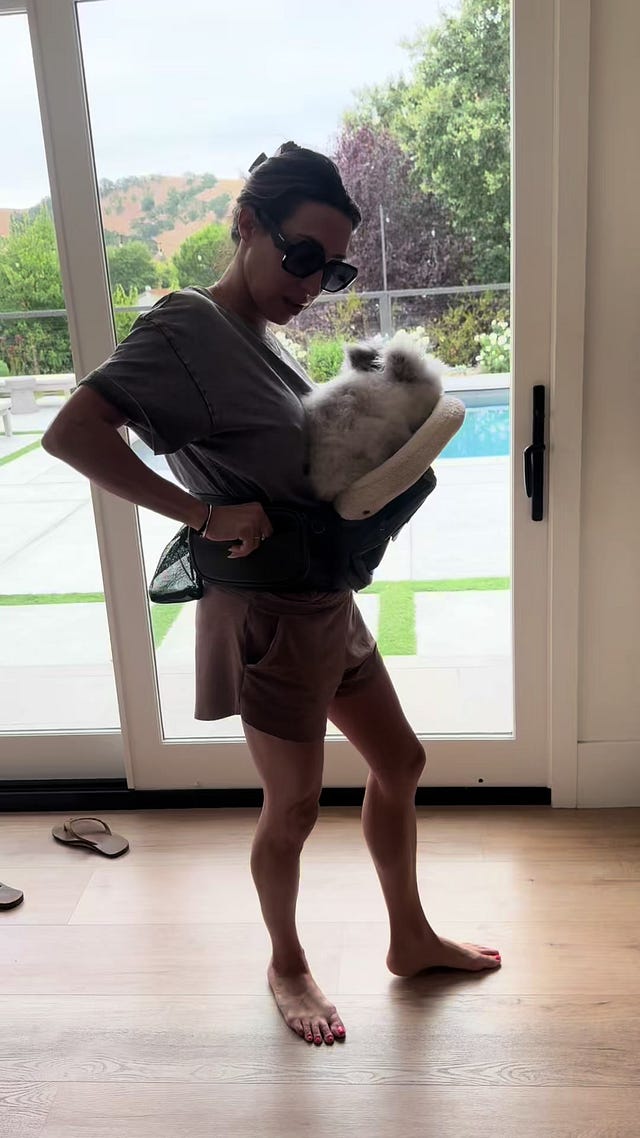 @tushbabyshopWho says the fun has to stop with pups? 🐶🐱🐰Tushpuppy is made for all your favorite furry sidekicks—because every adventure is better together.
 Tiktok failed to load.
Enable 3rd party cookies or use another browser
This season of CMO Uncovered is supported by CleverTap. CleverTap is the world’s leading engagement platform, helping brands build meaningful relationships through data-driven personalization. Powering over 2,000 customers globally, CleverTap’s AI-powered engine processes billions of data points daily to help marketers predict behavior and automate engagement at scale. From onboarding to advocacy, CleverTap provides the infrastructure needed to optimize every stage of the customer journey. For the CMOs building the next generation of iconic brands, CleverTap offers the precision and scale required to win in a crowded market. To learn more, visit clevertap.com.
More from Uncovered Media





Read the full transcript
0:00 You cannot look at your life as a ladder. You have to look at it as a jungle gym. You have to start thinking about it as, what is like the thing I'm gonna swing to next? Like, what is the thing that's gonna be fun, you know? Is it changed my perspective in regards to what success looks like?
0:15 - That's Sarah, co-founder and CMO of Tush Baby, 20 years building brand. And she thinks one entire discipline of marketing is about to disappear. - Lifecycle marketing is going to die, not all because of AI, but some of it because of AI.
0:30 Consumers are discovering your brand and how they're interacting with their brand. They might not even go to your site and read your product pages. They may make all of their decisions within Flod or Chat. - Tush Baby is a company that's been able to say
0:45 incredibly lean from day one. - A lot of mistakes that companies do is they think they need a specialist for each marketing activity. Do not hire specialists that only do life cycle marketing. Do not hire a specialist that only thinks an SEO.
1:02 Hire an agency to do that. If you try to staff 15 different specialists, guess what? The minute any sort of technology disruption, you are going to end up laying off individuals. CMOs hire people that... - Welcome to CMO Uncovered,
1:21 which is proudly sponsored by CleverTap, the all-in-one engagement platform, helping brands turn customer moments into measurable growth. If you're serious about retention, life cycle marketing, and using AI to drive smarter engagement, CleverTap is the partner you want in your corner.
1:36 Sarah Osady, thank you so much for joining CMO Uncovered. For any of you listeners out there, I've known Sarah for like, beyond a decade, probably like 15 years at this point. Many different parts in her career, but have been honored to sit on the sidelines and watch her build an incredible brand and Tush Baby.
1:53 And so, Sarah, it's cool with you. I'd love for you to just share a little bit more about yourself and kind of like where you're at with Tush Baby right now, because we're going to have a ton to talk about the rest of the Tush Baby story along the way. - Absolutely, and I'm so excited to be here. Thanks for having me. I'm Sarah Osady, I'm the co-founder and CMO of Tush Baby.
2:11 Tush Baby is a parenting gear brand that started about eight and a half years ago. We really changed the landscape of baby carriers, very disruptive brand. And since then, we're now entering the category
2:26 of even for babies. So now we have carriers for pets, we have carriers for babies. What we like to say is we are a carry-aware company, essentially better, more ergonomical, more beautiful ways to wear your child.
2:44 And now we're diving into puppies as well, and we're calling it Tush Puppies. So it's been an exciting journey and pretty amazing, actually, to see all that's happened in the last eight years. - I love, I love.
2:59 Let us know when you start the line up for the cat, because I have one who's sleeping right there. - You can use the Tush Puppy for cats as well. I mean, you know, the funny thing about Tush Puppy is that it pretty much came from our customers.
3:14 We saw people using the Tush Baby, which is the hip seat that really disrupted the market about eight and a half years ago. Tammy, my co-founder, came up with this concept and idea of a better way to carry your child
3:29 that wouldn't hurt your back. And essentially, you know, not only is it ergonomic, but it's also good looking. And so why not have a carrier that's good for your body? And also, you know, you look good while you're wearing it. And over the years, we saw people buying it
3:45 and using it for their pets. And so cats included. And, you know, and so the concept kind of came out of that. We're like, well, why not build something for those pet parents? And we introduced it last week and it already sold out,
4:02 which is crazy. - Oh, wow, and it's a big market. I mean, the amount of money we spent on our pets is like-- - It's huge. It's huge. Tammy and I joke that it might be, you know, there's more scrutiny and a larger market for pet parents than anything else. But yeah, it's been really exciting.
4:17 It took us two years to develop it. We had to get it right so that it could fit everything from cats to small dogs. And yeah, it sold out in a week. So kind of crazy. - Incredible. Yeah, incredible. But it goes to show like, you know, just watching, what watching your consumers can do essentially, how they're using the product and how to innovate from there.
4:34 - That is incredible. And when Twitch maybe first started, it was one product, it was one hero product. If you're cool with it, we'd love to learn a little bit more about just like the story of like how it came to be, but also for so long, you were one product.
4:49 And then you ultimately graduated into creating ancillary products. And I'd also love to learn a little bit more about like, what were those moments where you said, okay, now it's time to expand. - Yep. That's a really great question. I think one of our founding principles
5:04 was always focus and discipline. What I've seen throughout my career, and I've been a brand builder for 27 years. Kind of crazy, but, and I've worked on everything from away luggage to Starbucks and Ferrari,
5:19 and taking note from successful brands that have started with a core product and then expanded, I think Ferrari is a prime example of that, like really focusing in on their car, the way it looks, it hasn't changed,
5:34 why they have such a big, you know, fanfare and such a recognizable brand is focus and discipline. And so when we launched the hit seat, we knew immediately that it was gonna be
5:49 a disruptive product. We turned on the website in, on October 6th, eight years ago, eight and a half years ago, and it went gangbusters. I mean, we had like immediate sales.
6:06 It really resonated with this market, the idea that there's a better way to carry your child, a better way to not put strain on your back, and also a way for children that don't like traditional carriers to be held in a better way,
6:22 and for them to see the world and not be constrained. So for a very long time, we felt like we were in this learn and optimize mode of, you know, especially when I think you come out of the gate with such success and such fanfare,
6:39 it was really important for us to understand how people were using our products, why they loved our products, and what we could do to innovate against that core product. And it was always our goal to expand,
6:56 but, you know, eight years ago, D2C was like the Wild West. And I wanna say today it's now reinventing itself in so many ways because of everything from AI
7:11 to social media to how consumers are shopping. I mean, you know, a year ago, we thought TikTok was gonna die, and now everyone's buying stuff on TikTok. So my point is, is that that discipline really allowed us to understand where they were shopping,
7:27 as well as why they were buying from us. And we slowly innovated from there. We innovated against the product. We made it better. We made it smarter. We knew people were gonna copy us, so we needed to build a premium brand.
7:43 We needed the product to match the premium brand, so it had to be high quality. In the beginning, we were really smart about who we partnered with, so the type of influencers, the type of retailers, where it was gonna be.
8:00 And then we slowly started to roll out other products. And our second product was to make the hip seat hands free, so to make it a full carrier. And that was really, I think, an incredible moment in our company's history
8:15 because we almost changed the, we were changing the messaging of the product in many ways, right? It was this idea of kind of easy ups, easy downs. So what did it mean when we introduced a product
8:32 that was no longer kind of the easy up and down, but more so the convertible aspect of it, where it, how you wanna wear it, where it, how the child's gonna feel most comfortable. And that set us into a learning process as well.
8:47 And I think once we felt comfortable with the how we were launching products and how successful they were, then it was like, the floodgates were open, right? Listen now, let's test stuff. And so we went from baby carriers to making crossbody bags
9:04 that were really innovative that weren't just for parents. I mean, we saw hikers using it, people committing to work because you could put a full Stanley water cup in it.
9:19 So much so that we saw Stanley start to make water cup holders for their cups. And then we saw like Lulu Lemon copying us. And so, you know, it's, I think when your core DNA of your brand is about innovation
9:37 and it also is about putting the consumer at the center, you have to be smart about how you introduce product. And you have to make sure that you continue that legacy of the product meeting expectations,
9:52 the product exceeding expectations, right, as you innovate. And then making sure that everything you introduce after that is as innovative, if not more interesting. And so we don't want to be me to products. We don't want to just introduce stuff to introduce stuff.
10:08 And so Drew, that's really why like in the beginning for a very long time, it was a one product company. And now we have everything from, you know, baby infant carriers and we have the hip seat and we have like a new product for toddlers
10:23 and, you know, the pet carriers. And so, you know, we now have permission in market to do more. - Right. - And we have the ability to, you know, we have the reputation and the ability
10:39 to reach new consumers, essentially. - You said something, obviously, discipline was a large part of the success that you saw, but it went gangbusters, right? What went gangbusters? How did people find out, right? Like, was it word of mouth?
10:55 Was it social? Was it like, how did people find out about this? Of course there was a whole, you know, Shark Tank episode and yes, but I'm sure there was a lot of virality to this. So what really blew up? - You know, people ask us about Shark Tank often. And Shark Tank happened about six months.
11:12 It aired, yeah, it aired six months after we had launched. And by the time we had aired on Shark Tank, we already had a million dollars in sales. And so, yeah. - Wow. - And so, of course, Shark Tank did a lot for us in regards to PR and, you know,
11:28 wider audience and all of that. But yeah, I mean, it was, I think it was the positioning. We really spoke to this group of parents that had been carrying their children
11:44 in a way that was painful. And all you have to do is kind of see the product to have that kind of aha, like realization that this is gonna be a great product for me. And we had a great tagline at the time. It was, you know, it was a carrier kid,
12:02 stash your stuff, save your back. And so it was really memorable. It was like, wait a second, I can carry my kid. It's not gonna hurt. And then I can put all my stuff into this carrier. So I don't have to drag around a diaper bag and hurt my shoulder and all that.
12:17 So it kind of like visually it set it. So to your point, that's what made it go viral. This idea that it was so unique from a visual perspective. And then I think we just did a really good job of distilling the benefits of the product into the tagline.
12:32 And then yeah, social media was a huge part of our launch strategy. We, meta was a really big part of our launch strategy in the beginning, meta has changed a lot since then.
12:50 But I mean, because it was so visually appealing, we not only were, you know, getting those impressions by paying, but we were getting those impressions by shares. And so people were sharing your thoughts. And then we got great, we got great press. We got incredible press.
13:06 And yeah, that really helped. And so it just launched the company due to its kind of unique looking, it being a unique looking product, essentially. - Yeah. And you said, sorry, but yeah, you just said that,
13:24 you know, Facebook's changed, meta has changed. Like what's changed and how have you reacted to that change, right? Like I'm familiar with your Reddit case study, but like I'm just trying to understand if it's a part of, you know, your, how have you seen meta change over the years?
13:42 - Yeah, I mean, meta made a lot of money in that era of eight or nine years ago of when a lot of companies had the accessibility to create or a lot of brands had the ability to be D2C brands, essentially, and reach consumers in unique ways
13:59 that they couldn't prior, right? I mean, this was, I mean, Shopify and meta kind of changed shoppers behavior forever. And so at the time, because it was so new and I feel like there were so many people
14:16 that may have not been true marketers trying to advertise on meta, they didn't quite know what they were doing. And because we knew what we were doing, I had been in advertising for 20 years at that point. We knew how to target, we knew what to say,
14:33 we knew what worked, we knew how to optimize. And so we, I mean, it was crazy. I mean, we were like our customer acquisition costs back then, we were like $5. It was insane, right? Yeah, but that was like, this is in the mode of like,
14:50 what you have to understand is like, meta was testing and optimizing back then, right? Like they were trying to understand who their product was for. You know, in many ways they were, you know, the amount of same competition wasn't on meta.
15:06 And so the ability to target and get the amount of impressions necessary to grow a company was a lot easier back then. And now, you know, meta's now selling impressions back to you. They're selling reach back to you,
15:21 which you used to get, you know, for free. And so it's changed. And I think if you're not a disciplined marketer, I think if you don't understand brand, you'll never be successful on meta. You have to be a brand marketer first, and then you have to be a digital expert.
15:37 You have to understand what it means to build a brand in order to have a brand be successful in a digital capacity. And so, and guess what? What worked on meta last month is not gonna work in meta the following month. Like I say this to anyone who will listen.
15:55 You cannot just set and leave your advertising and think that your creative strategy, your targeting strategy, your landing page strategy, even what products you're featuring is gonna work over and over again. What does work is the formula
16:13 that is successful for your company. So defining that, like what is my maximum CPA? What is, you know, what am I willing? You know, what's my total tacos? Like what do I want my, if I look at efficiency all up,
16:28 if I'm looking at the way I'm advertising it on TikTok, the way I'm advertising on meta, how I'm using Amazon, for example, so that's part of my strategy, how I'm using Google. Those levers all have to play in together, but I will tell all marketers don't just like rest
16:45 on your laurels and be like, oh, because January worked, February is gonna work as well. You have, it's like every day you have to tweak something. Some days you'll be spending more on TikTok, some days you'll be spending more on meta. You know, some days you'll, you know, because prime Amazon will go gangbusters
17:01 and you have to kind of work in this ecosystem in a very hands-on way. It's like managing a stock portfolio. It really, you know, it is, and I think if you are into digital advertising, it can be very addictive because you can see
17:17 those little like levers that you start to push and you're like, oh, I'm making money, you know? So it's fun, it can be fun, but it can also be dangerous if you don't understand brand, essentially, and how your brand plays in this ecosystem. Okay. How has it been in the process? Because, and just because I just don't,
17:35 you and Tammy for so long, I also know there's been a lot of copycats out there, right? Like there's been a lot of other dupes, other brands trying to create similar products. And as a brand marketer, as a digital marketer, how do you combat that in the most effective way?
17:53 Yeah. You have to stay ahead of them in regards to innovation because here's the thing about dupes. The why dupes win is because they're cheap. And the only way to win is to have cheap product. And so, you know, some consumers,
18:14 you'll never convert to a premium brand. But I will say this, when it comes to baby products, I don't think people want cheap product.
18:29 I don't think they want product that hasn't been safety tested. I don't think they want products that have zippers that have lead in it. I don't think they want products that are made of foam instead of having like plastic inserts that have been created using mold injections,
18:44 you know, real engineering and product. And so, what I say, when people start to see knockoffs or they see dupes is you have to outlast them by being a brand that is sticking to your core values.
19:03 So, keep innovating on your product. Make sure it's a excellent product. Make sure that it is, if it's at a premium price, then you are providing that premium experience
19:18 in the product and continue to innovate. I mean, when we saw, you know, companies, if you want to call them companies, you know, dupes, you know, making product that looked like Tushbaby,
19:34 you know, our first response was, all right, we are going to exhaust them. We are going to exhaust them by continuing to innovate and add unique features to our product. We're not going to raise our prices, but we're going to continue to innovate.
19:49 And we did, we exhausted a lot of these dupes brands. They just didn't succeed. They failed. And then some of them, you know, violated our IP and then so we were able to get rid of them that way as well where they try to make it look exactly like a Tushbaby
20:06 or copied our, you know, our designs that were, you know, we had protected, so that's one way, but really the most efficient and effective way is to innovate and stay true to your core values as a brand.
20:22 There will always be dupes. There'll always be dupes as long as Amazon exists. That's the nature of the game. So I'd also say, I would also say too, that you have to have an Amazon strategy.
20:38 You have to think about what products do you want on Amazon versus your other channels. And so a channel strategy is incredibly important. A product strategy in regards to those channels is really important. So we see our, you know, our D2C as a area of discovery.
20:56 People are gonna learn about our brand on D2C. If they just want the hip seat and they want our basic color, they might go to Amazon. And that's awesome. You know, go to Amazon, you'll get it in two days.
21:12 It's what you expect. You're probably putting other things in your basket that you want, you know, maybe you're going on a trip, maybe you're going to Disneyland and you're gonna buy a bunch of other stuff. An umbrella stroller, a Tush baby, a backpack, who knows? I mean, it's perfect, right?
21:27 So we're not gonna fight that and we wanna be there as well. But what I would tell brands is don't put every color on Amazon. Don't put like your new launches on Amazon. Be really smart about how you're launching your products in these different channels.
21:42 And then I would say the same about retail. Retail change, right? We saw so many stores close their doors. We saw companies go bankrupt, right? Everything from like, you know, Saks to, you know, even the way that, you know, traditional brands
21:58 like Nordstrom were engaging with their consumers. And so you have to decide who are these brands that I'm gonna work with and why. And make sure that they're adding value to your brand as well. - Yeah. How does one reconcile this need
22:13 for a consistent premium brand experience with AI, right? Like, I mean, especially when you're in your marketing, right? Where it's the front face of your brand voice, right? And especially with, you know, the Reddit case study, right?
22:30 I was, I keep quoting that every time people talk about what's the right use of AI, I'm like that case study, right? - The Tish baby one? - The Tish baby one, right? Like, I'm like, because that's what you do. You experiment at scale, right? But how do you ensure that, you know,
22:47 there's a lot of surface area for brand drift, right? Like, how do you prevent that and ensure your messaging and your brand still remains on point? - That's a great question. This is why I keep going back to, okay,
23:02 you think D2C was the Wild West eight years ago. It is now the Wild West all over again. And it has to do with AI. It has to do with the way folks are shopping and where they're searching.
23:17 And it's, you know, AI is going to kill some traditional methodologies of marketing. One of which, and there's gonna be a lot of people who are gonna be mad at me for saying this is life cycle marketing.
23:33 Life cycle marketing is going to die because not all because of AI, but some of it because of AI. And the reason being is that consumers are no longer going to Google and searching that way.
23:49 They are going to AI and they're saying, what is the best carrier? And here's all my challenges and here's my budget and here's what I wanted to look like and I want my, you know, I wanna use it and I want my husband to use it and maybe grandma's gonna use it
24:04 and I want it in three days, you know? And so AI is gonna change the way that consumers are discovering your brand and how they're interacting their brand. They might not even go to your site
24:20 and read your product pages. They may make all of their decisions within Claude or Chat. - Yep. - And then they're just clicking that link adding to cart.
24:35 And what happens is they probably did like a coupon code discovery, you know, they have a plugin or they ask Claude or Chat as well. And so they're not even gonna bother to sign up for your SMS or email lifecycle marketing and they're gonna check out.
24:50 And so to answer your question, again, it always goes back to brand that if you built an incredible brand and you went through the process of having that consumer love, people talking about you,
25:07 having the press talk about you, building really great relationships, making sure your website is smart and detailed. AI is your friend because what's gonna happen is it's gonna pick up all those materials,
25:22 it's gonna pick up your great press, it's gonna pick up your 10,000 plus five star reviews, it's gonna put it into the system and it's gonna filter to the consumer exactly what they want. And so you have to put the work in, build the brand, build the press relationships,
25:38 build the influencer relationships, have a great product so you get five star reviews and AI is going to help you. What's gonna happen though, and it's gonna be super frustrating is you're gonna see your email subscription lists
25:55 start to decline, you're gonna see people not sign up for an SMS. And so the next challenge, and this is gonna be independent of AI, is how are you gonna re-engage our consumer? How are you gonna get them back to your site? How are you gonna get them to buy from you again?
26:12 If you're not, if you're not on their phone, or in their SMS, how are you gonna reach them? And so again, you have to be really clever about how you're using social, how do you stay in front of those people from an organic reach perspective?
26:27 And so it's using the ecosystem in the smartest way possible. It is making sure that your advertising is in the right places, and that you're really looking at SEO as a AI initiative
26:44 and not just a Google search component, honestly. I mean, I will tell any founder listens that starting out that if you do not have an AI strategy as it relates to your brand, you will fail.
26:59 - Yeah. Then from, are we saying that further down the line, the only things that like a marketing team will effectively just look like an SEO team and a performance marketing team. Is that what we are then saying that? - No, I'm not saying that. I'm saying that part of that team will be.
27:15 I think if you think of it as a stool, you should always have seasoned brand marketers. Then you have to have really smart technologists that are thinking about SEO, that are thinking about your site, that are thinking about how consumers
27:32 are engaging on your site. And then, yeah, great performance marketers. But I will say the best performance marketers that I've ever worked with in my long career are always the people that understand brand
27:49 and understand and use a combination of what I like to say is like insights and instinct. So data is incredibly important. Look at it daily, use AI to translate that data for you.
28:06 You know, don't go through the process of doing it yourself, plug it all in, let it come back to you with some answers and then use your instincts about brand building and consumer messaging and how you like to be marketed to
28:22 in regards to like how you're rolling out your strategy. And so the three prong approach or the stool would be brand marketers, technologists and performance marketers for sure. - How does that transform the office of the CMO?
28:38 I'm so fascinated with AI. You know, I mean, Tuish Baby is a company that's been able to stay incredibly lean. Like I feel like from day one, but there are other brands out there that have teams of 40, 50 people that are venture backed
28:55 in the office of the CMO or the marketing team. I'm curious how you think that future office is comprised. - That's a great question. We have stayed very lean
29:10 and we have separated our business into two. We look at it from and we've named it into two departments, one of its operations and one of its brand . And you know,
29:25 there'll be different roles underneath those two pillars, but we wanted to make sure that brand and operations were always connected, meaning that if we're making decisions about everything from like skew level, like what color are we going to introduce? How is that
29:43 related to the brand? And so I feel like when you really connect these departments, it allows you to be leaner than most. I think that, and I, by the way, I've seen this in businesses prior to AI, where there are marketing departments that are filled with
30:04 specialists and nobody that knows how to interpret that information between them. And so this is not like a new issue just because AI has arrived, but I think what a lot of mistakes that brands do that
30:21 companies do, whether they're VC backed or not, is they think they need a specialist for each marketing activity. And, and this has always been my philosophy, do not hire specialists that only
30:39 do lifecycle marketing, do not hire a specialist that only thinks in SEO. Hire an agency to do that. Hire contractors that have a army of individuals that are built for purpose
30:56 that can come in and out of your project when needed. If you try to staff 15 different specialists, guess what? The minute a new technology enters the consumer landscape or even the B2B
31:13 landscape for this batter, any sort of like technology disruption, you are going to end up laying off individuals. You're also going to have people that are going to be stale, because if they're only thinking about
31:28 your brand and your brand only, they are not bringing insights into your business that matter. And so maybe this is my bias of being, because I spent so many years at agencies. And because I had experience working with so many different brands, I mean, I
31:47 did everything from consumer to technology. I mean, in the early 2000s, I was working on sales force and WebEx, but I will say that experience allowed me to be a better marketer. So I want to be surrounded
32:02 by those individuals that are going to come to me and be like, hey, do you know what? So and so and so is doing something really interesting. Do you want to hear about this? Of course I do, right? But yeah, I will also say that AI is going to change the
32:17 way that we work. I think that you need humans to make a great brand, but I think AI is going to be incredible in regards to interpreting your data. I think it's going to be amazing
32:34 at one point or another, providing predictive analytics. And so I would say use it as your tool in your toolbox, especially as it relates to data,
32:49 especially as it relates to research, and especially as it relates to it being a discover a discoverability tool for consumers. Drew, I don't know if that answered your question about how it's going to change. It does. No, totally.
33:05 I will say that higher well-rounded marketers, CMOs, higher people that are curious. If you hire someone who only that only wants to think about the website and does not want
33:22 to think about connected television or doesn't want to, is not curious about AI, then you've hired the wrong person. You want people that are extremely curious. Let them come in with incredible experience and maybe in performance marketing, but I really hope that performance marketer is
33:42 really curious about brand and really curious about product development even. We're really curious about the operational side of the house, because if they are, then they're going to make better decisions as a performance marketer. They're going to understand the financial
34:01 aspects of performance marketing. I think one of the biggest of services of performance marketing over the last few years is that they only focus on the data that's given to them in
34:16 platform. Never use that. Again, if going back to your question about meta, do not just go, "Oh, my CPA is at $15. This is performing really, really, really well. Oh my God, look at my click-through rate. Oh my goodness, look at how many
34:32 impressions I've made. You need to connect that back to your overall business. I've even seen the reverse in the sense that I've seen an ad campaign that was performing at a high CPA. It had a
34:50 discount code in that ad campaign. It was a small discount. It was 15% or something. That was trying to gain new consumers. My partner in the performance marketing space was like, "Oh,
35:05 maybe we should turn it off. It has a high CPA." Then I went and looked at all the data. I looked at the how often the code was used. It was going gangbusters. If you just look at one aspect of platform data and not the operational side of the house and everything that's
35:23 happening, you're going to be an ill-informed marketer. I've actually felt that because in my role, right now, in Kewetap, I've transitioned from... I joined as a product marketer . As a product marketer, I was always like, "Hey, you know what? The content team doesn't help
35:39 me enough." Then, eventually, I started leading the content team as well. I'm like, "Oh, this is why the content team can't help enough, right? Because now I'm on this side." Then, the content team is always in the middle of a fight with the growth team. Now, I'm on the growth
35:58 side. I'm like, "Oh, I see where content was going wrong, and I see where growth wasn't helping ." I think empathy to some extent. I think that really helps because putting yourself in the shoes of everyone in the entire value chain, I think that's when it really helps. You
36:18 know what? If I don't look at this, then that person will get into trouble. That person's metric is going to get hit. But I completely... I was thinking about this just two days ago, and I 'm like, "Dang. Now I don't know what's right or what's wrong." Now, I'm just like, "
36:36 Okay, there's this ephemeral truth, and we all need to know in different parts of it." Yeah. That was really important to me because when we co-founded Tammy and I T ush Baby, I quickly realized why so many clients find ad agencies annoying.
36:52 And then, why ad agencies end up getting fired? Because for the first time, I was sitting on the other side of the table, and what it came down to and the point you made is that there wasn't a shared flow of information, nor was there a curiosity of our back office, a
37:13 curiosity of what's happening back there. Tell us more about your product innovation or development , or tell me a little bit about what is your CFO consider a successful marketing campaign. But I'll say this.
37:28 There are two things that I'm really proud of. Besides the success of our business and the brand we've built, is that our team... It's crazy. They will jump in. My wholesale person
37:43 will jump in and start working on social media. And that was just because she was curious about it. She was like, "Oh, I'm really... Wow, we got 50 million views on this YouTube video. Okay, well, this kind of helped me with my relationships on the wholesale side, so
37:59 now I'm super curious." And so, she wanted to get more of a hands-on experience in that. And so, we do this thing called a five by five, which is our weekly leadership meeting, where we have our five individuals on our team that have five minutes to share their biggest wins and their losses
38:24 or opportunities of the week. And every week, someone learns something from one another. And also, by the way, the team starts problem solving. Our head of customer satisfaction will start saying, "Gosh, this happened and that." And then someone goes, "Wait, is that because
38:43 the website did X? Or wait, what product was that? Do we need to think about maybe rethinking the marketing or maybe we need to innovate on that?" And if I wasn't talking to my head of customer
39:00 service, and my head of customer service wasn't talking to my wholesale person, and if my wholesale person wasn't talking to my director of marketing, we would fail as a business because we're so lean, because we wouldn't be sharing this crucial information that makes the
39:18 marketing better, that makes the product better, that makes our customer service better. And so, to me, it's like, get out, get out. This whole idea, like, staying in your lane, that's over. Get out of your comfort zone and start learning about all sorts, yeah, all sorts of stuff. I mean, the
39:36 amount of stuff that I've learned in the last eight years is insane. Stuff I would never have had the opportunity to learn, and maybe I wouldn't back then wanted to learn, but now I have to. I have to in order to be a successful CMO. I love that. And maybe I'm wrong here. Correct me if I'm
39:54 wrong if you initially came from the startup space, but I feel like I've always known you to be a part of larger agencies, larger companies, like, what was that transition like? And also, do you enjoy that the smaller leaner team or? I really do. You know, it's, you know, it's such a great
40:10 question. I did, I have worked on startups, but these were startups like back in the day that became like huge companies. I worked at StubHub, you know, and it was like, we kind of like, when I was working at StubHub, you know, we kind of invented digital marketing back in the day,
40:27 and then like all changed, right? And so I always had like, I think I always had that like drive and I thought it was fun working in a very quick environment, whether it was like a startup or a
40:42 large company. But the transition was, oh gosh, I have to say, you know, this is like, this might be a lesson to other marketers or other CMOs, is that I had to get my hands dirty again. And,
41:00 you know, because I, you know, I was 20 years into my career when I started Tush Baby with Tammy, you know, it wasn't like I was like, you only had like a few years under my belt. Like I was, I was managing huge teams by that time in my career, right? I had someone for everything to your
41:20 point earlier drew, like, there was like, there was somebody who would do anything, right? Like, there was a, there was a person who would just give you the data you wanted. And then there was a person who would just create your creative, you know, I could ask anyone, I had like 50 different resources that we could go to. And so what was refreshing was, I had to get my hands dirty again,
41:44 which means that I had to like relearn some things. And I had to make mistakes. And I think there is nothing more valuable than fast failure. Yeah, I agreed. Especially as someone who had
42:01 had been successful in my past, like career and my past lives to relearn and, and, and have that spark for curiosity again, I think it made me a much better marketer than maybe
42:18 I was in my previous 20 years. Like it was, it was humbling and it was fun and it was scary , but it was also like extremely refreshing. Because I was like, I was the one like, I'm hidden,
42:37 you know, the live button on that now. You know what I mean? Like, yeah, it's, it's tactile. It's tactile. I'm the one reviewing the last bit of copy. I'm the one that's adjusting the creative versus like directing those people as I was in my, you know, career
42:55 prior. And so that, and it's actually, you know, I will also say, incredibly rewarding. I think sometimes people, you know, I think we're as a society taught to like do the latter thing, right?
43:11 To be like, I got to get higher and higher and higher and higher. And, and sometimes you get so appear that you, you lose touch to all the things that actually made your career fun. But one of the best pieces of advice I ever got, and this was from an incredible boss that I had at my
43:27 last agency, her name is cricket. She said, you cannot look at your life anymore. As a latter, you have to look at as a jungle gym. You have to start thinking about it as like, what is like the thing I'm going to like swing to next? Like, what is the thing that's going to be fun, you know
43:43 ? And it was like, it really, I love it too. Because it changed my perspective in regards to what success looks like. Like, success is not just a title, success is like the satisfaction of doing
43:58 something for the first time, or maybe like the thousandth time, but you doing it and you learning and then having the ability to like, again, teach and find the right people to be part of your tribe as you create something unique. Aussie, that was great.
44:16 Sarah, I know we almost like, you know, almost at the top of the hour, but quick question, the lean team at Tush maybe seems like a choice, right? Like, because, you know , you're a multi-million dollar brand, but I think from what I know, you're about 12, 15 people in the
44:33 team, any other D2C brand would have doubled their head count, especially in marketing, right? Like, yeah, I need more people, I need copy, I need social, I need PR, I need everything, right? But this seems like a choice, why this, is it a choice and why is it a choice?
44:51 It is a choice because, you know, this goes back to this idea of redefining success, redefining what you believe is what a successful company looks like. I think when I was
45:06 younger, like, people would be like, well, how many people work there? You know, like, is it a 100 plus company? And they would like define that as like a successful company. But meanwhile, they're like hemorrhaging cash, they don't have the right people, they grew too fast, they have big egos
45:25 that aren't really doing the work. And so, you know, and by the way, I will say this, like, it was a test, like, a test and learn environment for us from like a workforce perspective, like very much like the test and learn optimized strategy that we had as a brand, we experienced that from a
45:44 workforce perspective. And what Tammy and I learned is that if you find a handful of really passionate individuals that want to grow within the environment of your brand, then there
46:02 is no stopping you as a company. And once you introduce people into your business that are there for ego or that are not willing to get
46:18 your hands dirty, you start to lose the plot. And so, it was a very conscious decision that we were going to have a core group of individuals that were really good, and I mean really good at what
46:33 they do, and very passionate about the brand. And what Tammy always says is that they are owners of that brand, then there is truly no stopping them. And that's really hard to do at
46:48 scale, right? It's really hard to do at scale. After a while, you're going to get people that are going to be apathetic. It just happens, right? And so, for us, and I think it was a combination of like, because as founders, Tammy and I, we, I mean, we're not like sitting on a beach
47:08 , you know what I mean? Like, we're getting our hands dirty every day, we're learning something every day. And so, we were modeling that behavior for our team. And so, it was important to have a core team that felt the same way about our brand as we did. And then I think
47:25 because I came from the agency space, I knew there were people out there that I could hire to make our brand more powerful, more mighty, more expansive without the risk of hiring those individuals
47:41 into your company. I will tell you, the quickest way for a brand to fail, and I saw this, you know, as we started to make friends with different short take brands, with different baby brands, we saw businesses fail because of two reasons. They got super greedy.
48:00 So, they were like, oh, this is working. Let's double down, triple down, make our products cheaper, whatever it may be, because they were kind of chasing the, you know, they were chasing both top, you know, they were chasing top line revenue, but then they were trying to, you know,
48:17 trying to then regain their bottom line. And it was also this like ego of like, I need a really big team, and then they hired the wrong people, and the wrong people brought them down. The wrong people gave them the wrong advice. The wrong people added some toxic elements into
48:34 their business. The wrong people didn't have the skill sets. And then again, because DDC will change every year, if those people, you know, what do you do when you no longer need a life cycle
48:49 marketing person, then you got to, you got to lay those people off versus like just finding your agency, right? You know, finding your agency who can kind of grow and contract as needed. And I don't care how long, I don't care how long you've worked in the business
49:08 or how many people you've let go, you always wait a little too long to let go of that person. And that always hurts businesses so bad. Always. Oh, I mean, we've done that, you know, like, you know, we've done that in a sense of where, you know, you know, I've done
49:23 this in my career, where I've hired somebody and I'm like, Oh, no, but you know, they have this huge resume and they worked this huge. We can make it work. We can make it work. And then it just got like more toxic. And yeah, no. So yeah, you know, hire slowly, fire fast is truly one of the
49:42 best, you know, adages. It really truly like don't don't hold on to toxic individuals and don't hold on to people that are holding your back, your band for your brand back. So we're at the top of the hour. The last thing we do to just close us out is four quick speed round questions.
49:59 You ready? Yep. All right. You have $1 million in marketing budget to spend on one channel . What channel use are you picking? TikTok. That checks out. That checks out for Tisch Baby and their incredible suite of products. Yeah. What's your favorite AI tool
50:16 ? Claude. That's it. That's fair. I'll take that one. I'll take it. I'll also say, I want to, I want to mend that question real quick. It's also the chat bot now inside of Shopify is getting smarter. And I don't know what it's powered by.
50:32 Maybe it's powered by anthropic. Maybe it's powered by open AI. I don't know. But that little bot is becoming so darn smart. Do not ignore that little bot inside of your Shopify. It will give it to you.
50:47 It'll give you the most important information on a daily basis. Just ask it the right questions and feed it the right. I love it. It's okay. I changed my mind. The bot inside of Shopify. The Shopify bot. Next one. What's your favorite wellness hack right now? Well, that's, you know, you know me. You know, I'm really interested. I know it
51:06 might be a hard answer. It is a hard answer. I'm going to give up some stuff and people are going to think I'm crazy. Okay. So I really think that, I think that there's something really interesting happening with peptides. I think the whole peptide market is really interesting. And if
51:23 you are, yeah, if you are an investor, invest in the little caps that go on to those little things because you, you're going to make a lot of money because it's not just the, it's not just the formulas. It's not the
51:38 compound pharmacies. It is all the components it takes for those peptides. But yeah, I think peptides are going to be really interesting. I think they're the future of wellness. And I think as long as it's regulated in the right way, I think it's going to, it's going to change the wellness industry.
51:53 Hey, I can, I can agree with that. Very last one. Tush baby can collab with one other brand that you have not collabed with. What's the dream brand? Oh, that's such a good question. Gosh, you know, I, it would be a, it would be an active wear company. Like on
52:18 or something like that or like one of those types, sir. It would be, and it would be because we kind of have the same goals. Yeah. We're making useful products that someone's going to use or wear every single day.
52:33 It makes you feel better, makes you do things, you know, that you couldn't do prior. And I think it's, I think we share the same consumers. I think we share that like-minded consumers. So, you got to give me a brand. Oh, gosh. Oh, man. Okay. If I'm thinking about my
52:52 consumer, I'm thinking about the young mom, it's probably Lulu Lemon. Nice. That checks out. That'd be, that'd be an easy collab for you guys from a product to product shift too. It would be a great collab. It would be, we have similar products. Some of our
53:08 products are similar. We use similar, you know, we have similar consumers, but I also love on, I love Yori, I love, I love all these like new running brands out there. I think there's so many cool, like active wear consumer businesses. And I also think there's some really cool
53:26 wellness, wellness businesses out there too, that I would probably put on my list to, to collab with. Well, Sarah Ozzity, thank you so much for joining CMO Uncovered. You were incredible. Thank you. Thank you for sharing the story. Oh my gosh. It was so fun. We'll see you soon.
53:41 This was a really fun conversation. Awesome.
Transcript generated automatically; it may contain errors.
Questions this answers
Who is Sara Azadi and what company did she co-found?
Sara Azadi is the co-founder and CMO of Tushbaby, a parenting gear brand that launched about eight and a half years ago and has since expanded from a hip seat carrier into full carriers, crossbody bags, and a pet carrier line called Tushpuppy.
Why does Sara Azadi think lifecycle marketing is going to die?
She says consumers are increasingly using AI tools like Claude or ChatGPT to research and decide on purchases, meaning they may never visit a brand's website, read product pages, or sign up for email and SMS lists, which undercuts traditional lifecycle marketing.
How does Tushbaby compete against copycat or dupe products?
Azadi says dupes win on cheap pricing, so Tushbaby competes by continuing to innovate, maintaining high product quality and safety standards, and staying true to its brand values rather than lowering prices to match copycats.
Why does Tushbaby keep such a small marketing team?
Azadi says Tushbaby intentionally stays lean with about 12-15 people, avoiding narrow specialists in favor of a core team of passionate, curious generalists, and using agencies or contractors for specialized work that may become obsolete due to technology shifts.
How did Tushbaby first become successful before appearing on Shark Tank?
Tushbaby launched with a visually distinctive product and a memorable tagline, drove strong early growth through social media and Meta advertising, and had already reached a million dollars in sales by the time it aired on Shark Tank six months after launch.
Originally published on CMO Uncovered · By Mrinal Parekh, Brandy Whalen